


Granite, Quartz Or Marble? Pros & Cons for Every Room in Your Home
Choosing the right countertop material can transform your home’s functionality and aesthetic appeal, but navigating the granite, quartz or marble countertops decision requires understanding how each material performs in different applications. While kitchen countertop materials often receive the most attention, the best choice varies significantly depending on the room, usage patterns, and your lifestyle needs. This comprehensive guide examines each material’s strengths and limitations across every room in your home.
Granite, Quartz Or Marble: Understanding the Three Titans of Countertop Materials
Before diving into room-specific applications, it’s essential to understand the fundamental characteristics that define granite, quartz, and marble. Each material brings unique properties that make them suitable for different applications and lifestyles.
Granite, formed deep within the earth under intense heat and pressure, offers unmatched natural beauty with unique patterns that can never be replicated. Quartz countertops combine natural quartz crystals with engineered resins to create surfaces that offer consistency and enhanced performance. Marble, prized for centuries for its elegance and workability, continues to represent the pinnacle of luxury in natural stone applications.
Kitchen Applications: The Ultimate Testing Ground
When evaluating kitchen countertop materials, the granite vs quartz vs marble countertops comparison becomes most critical. Kitchens demand materials that can withstand heat, resist stains, and maintain their beauty despite constant use and potential abuse.
Granite in the Kitchen
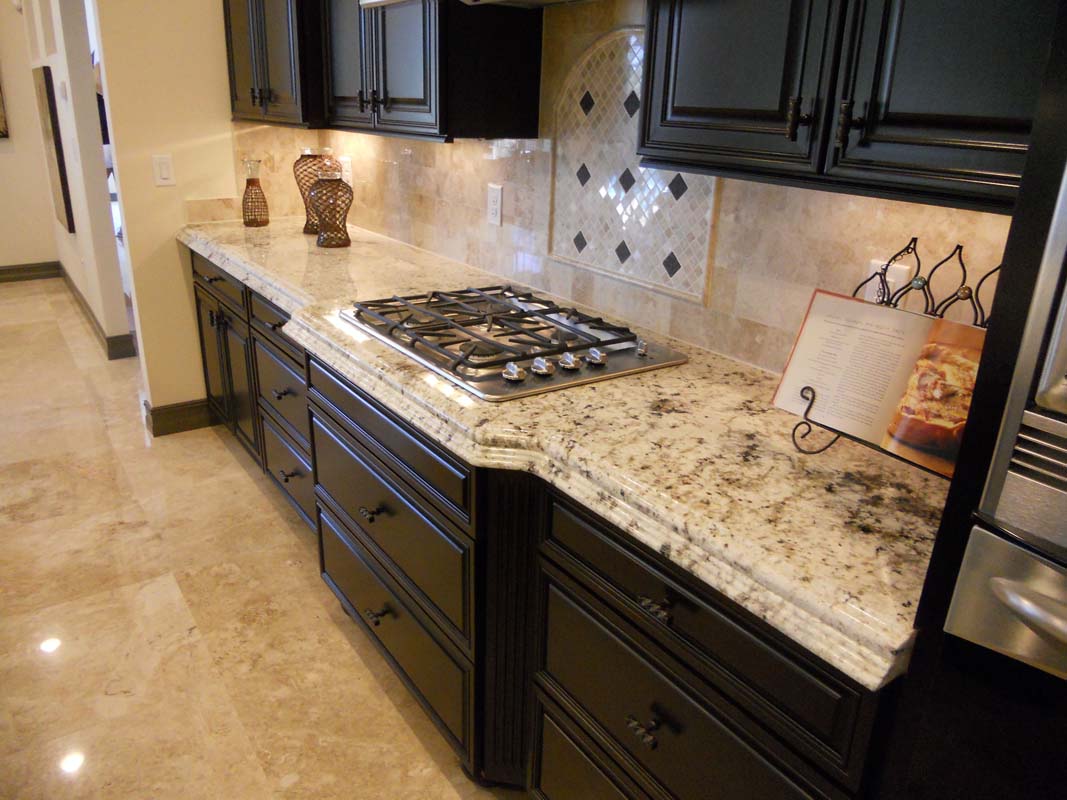
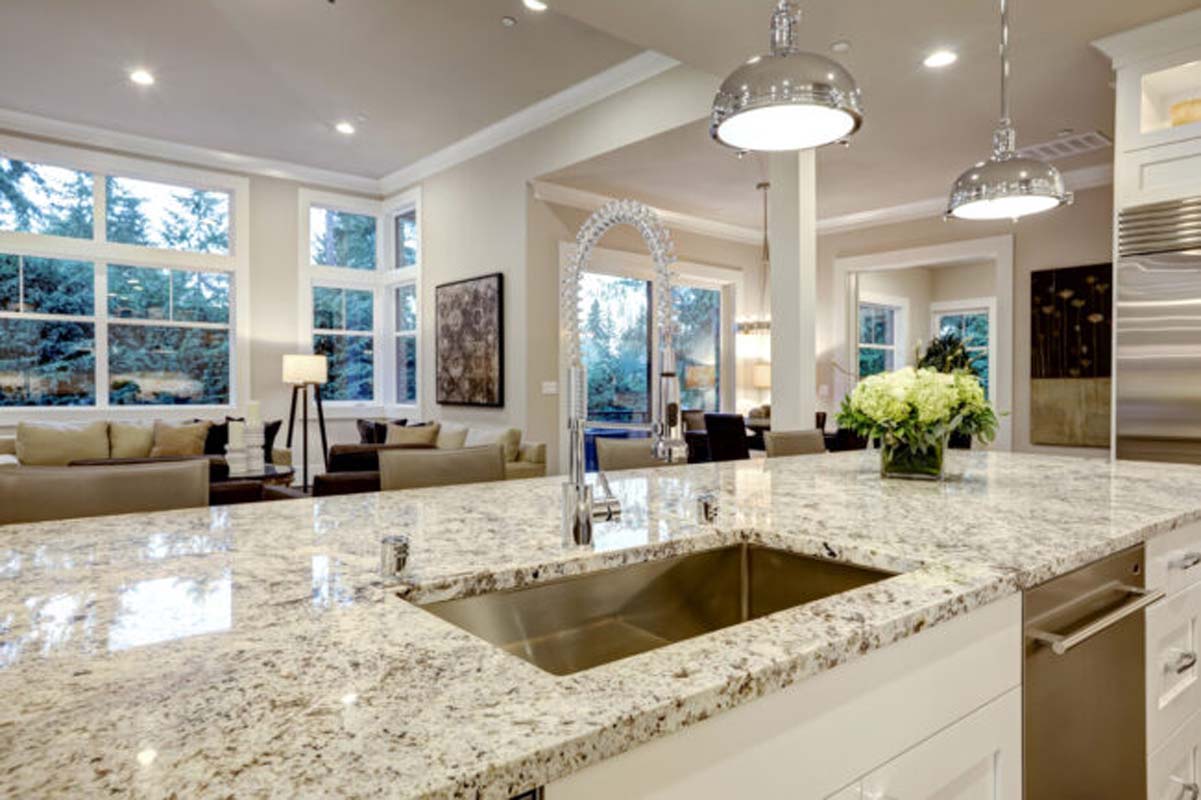
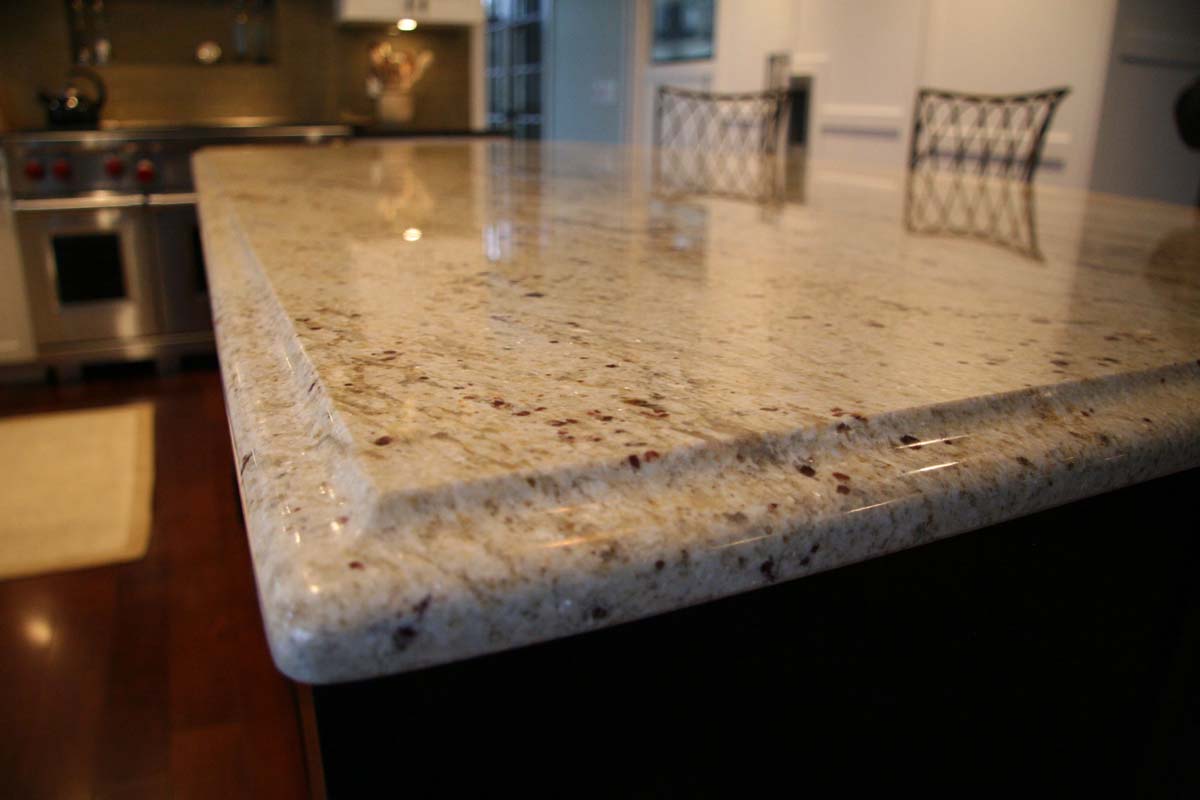
Granite excels as a kitchen surface due to its exceptional heat resistance and durability. You can place hot pots directly on granite without fear of damage, making it ideal for avid cooks who frequently use multiple burners and appliances. The natural stone’s hardness resists scratching from knives and kitchen tools, though cutting directly on any countertop isn’t recommended for blade longevity.
However, granite’s porous nature requires regular sealing to prevent staining from wine, oils, and acidic substances common in kitchen environments. This maintenance requirement can be manageable for homeowners who stay current with sealing schedules, but neglect can result in permanent staining that diminishes the surface’s appearance.
Quartz in the Kitchen
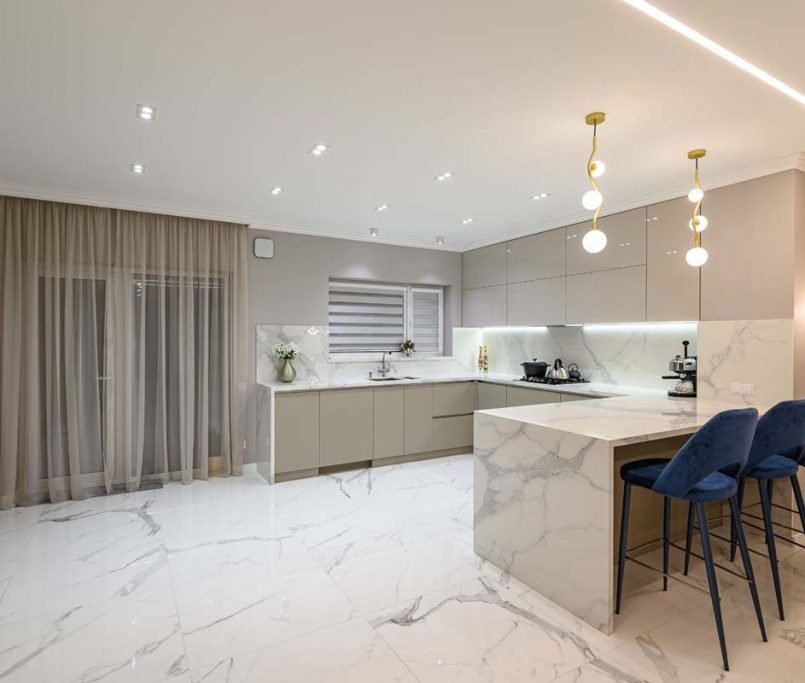
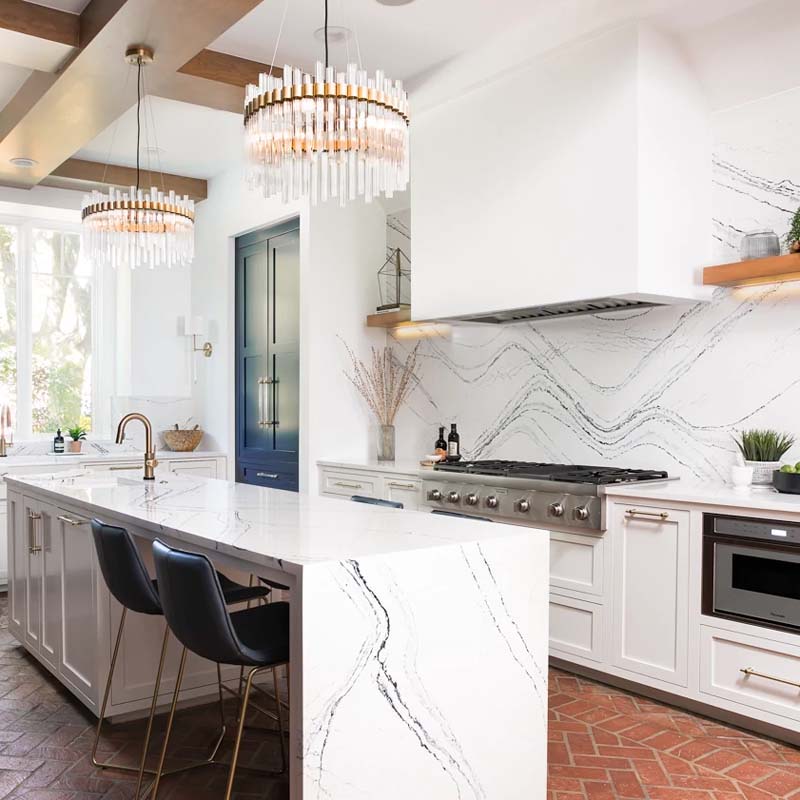
Engineered quartz surfaces have revolutionized kitchen countertop materials by combining beauty with unprecedented practicality. The non-porous surface resists staining without any sealing requirements, making it virtually maintenance-free for busy families.
Quartz’s consistent patterns and colors allow for seamless integration across large kitchen islands and multiple surface areas, creating cohesive designs that granite’s natural variations can’t match. The material’s engineered nature also eliminates the weak points and fissures that can occasionally occur in natural stone.
The primary limitation of quartz in kitchen applications is its moderate heat resistance. While it can handle brief contact with hot cookware, prolonged exposure to high heat can cause discoloration or damage. Using trivets and hot pads becomes essential with quartz surfaces.


Marble in the Kitchen
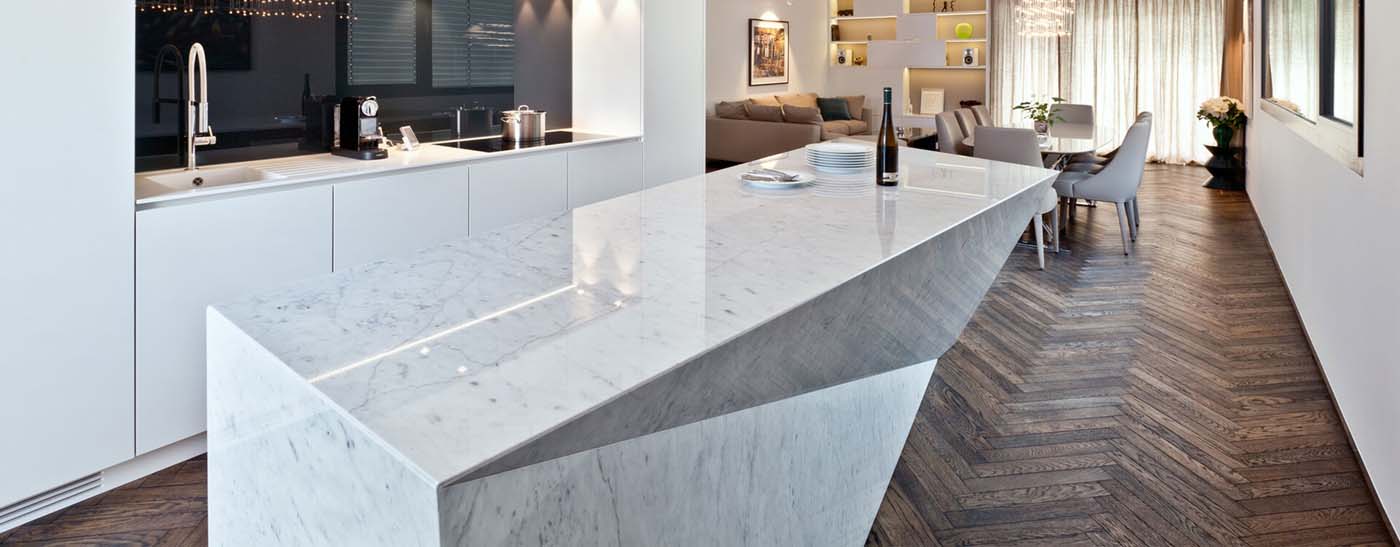
Marble presents a complex case for kitchen applications. Its unparalleled beauty and luxurious appearance make it highly desirable, while its practical limitations require careful consideration. Marble’s softness makes it ideal for pastry preparation, as the cool surface helps maintain proper dough temperatures.
However, marble’s susceptibility to etching from acidic substances like lemon juice, vinegar, and wine makes it challenging for general kitchen use. Even properly sealed marble can develop permanent etch marks that require professional restoration. For homeowners who prioritize appearance over practicality and are willing to maintain careful usage habits, marble can work in kitchen applications.
Bathroom Vanity Applications
Bathroom environments present different challenges and opportunities for countertop materials. Lower heat exposure, different staining risks, and varying usage patterns influence the granite vs quartz vs marble countertops decision in bathroom applications.
Granite Bathroom Vanities
Granite performs excellently in bathroom applications where heat exposure is minimal and the primary concerns involve water resistance and durability. Properly sealed granite resists water damage while providing natural beauty that complements both traditional and contemporary bathroom designs.
The material’s durability makes it suitable for high-traffic family bathrooms where multiple users create significant wear patterns. Granite’s natural variations can help disguise water spots and minor wear that might be obvious on more uniform surfaces.
Quartz Bathroom Vanities
Quartz’s non-porous nature makes it ideal for bathroom applications where water exposure is constant. The material’s resistance to bacterial growth and mold development provides important health benefits in humid bathroom environments.
The consistent patterns available in quartz surfaces allow for coordinated designs across multiple vanities or integration with shower surrounds and other bathroom elements. Maintenance remains minimal, requiring only routine cleaning with standard bathroom cleaners.
Marble Bathroom Vanities
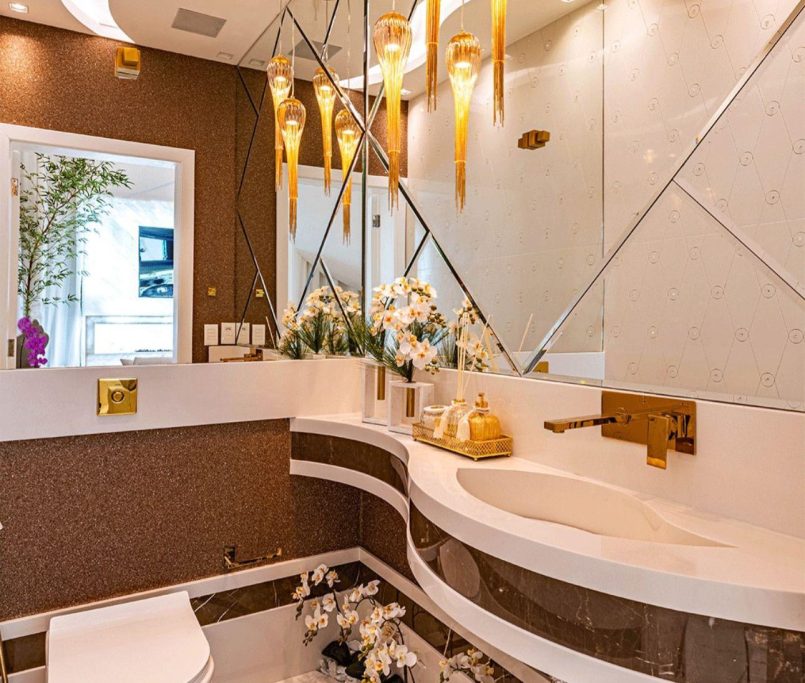
Marble traditionally excels in bathroom applications where its elegance can be fully appreciated. The lower risk of acidic exposure compared to kitchens makes marble more practical for bathroom use, though proper sealing remains essential.
Classic marble varieties like Carrara and Calacatta create timeless bathroom designs that add significant value to homes. The material’s workability allows for integrated sinks and custom edge profiles that enhance the luxury appearance.
Laundry Room Considerations
Laundry rooms present unique challenges that influence kitchen countertop materials selection. Exposure to detergents, bleach, and other chemicals requires materials that can withstand these harsh substances while providing functional work surfaces.
Quartz emerges as the clear winner for laundry room applications due to its chemical resistance and non-porous nature. The material won’t absorb spilled detergents or fabric softeners, and its durability handles the weight of laundry baskets and appliances.
Granite can work in laundry applications but requires careful attention to sealing, as some laundry chemicals can penetrate unsealed surfaces. Marble is generally not recommended for laundry rooms due to its sensitivity to the alkaline and acidic chemicals commonly used in laundry processes.
Bar and Entertainment Areas
Home bars and entertainment areas demand materials that can handle spills, frequent cleaning, and social use patterns. The granite vs quartz vs marble countertops comparison in these applications often prioritizes appearance and stain resistance.
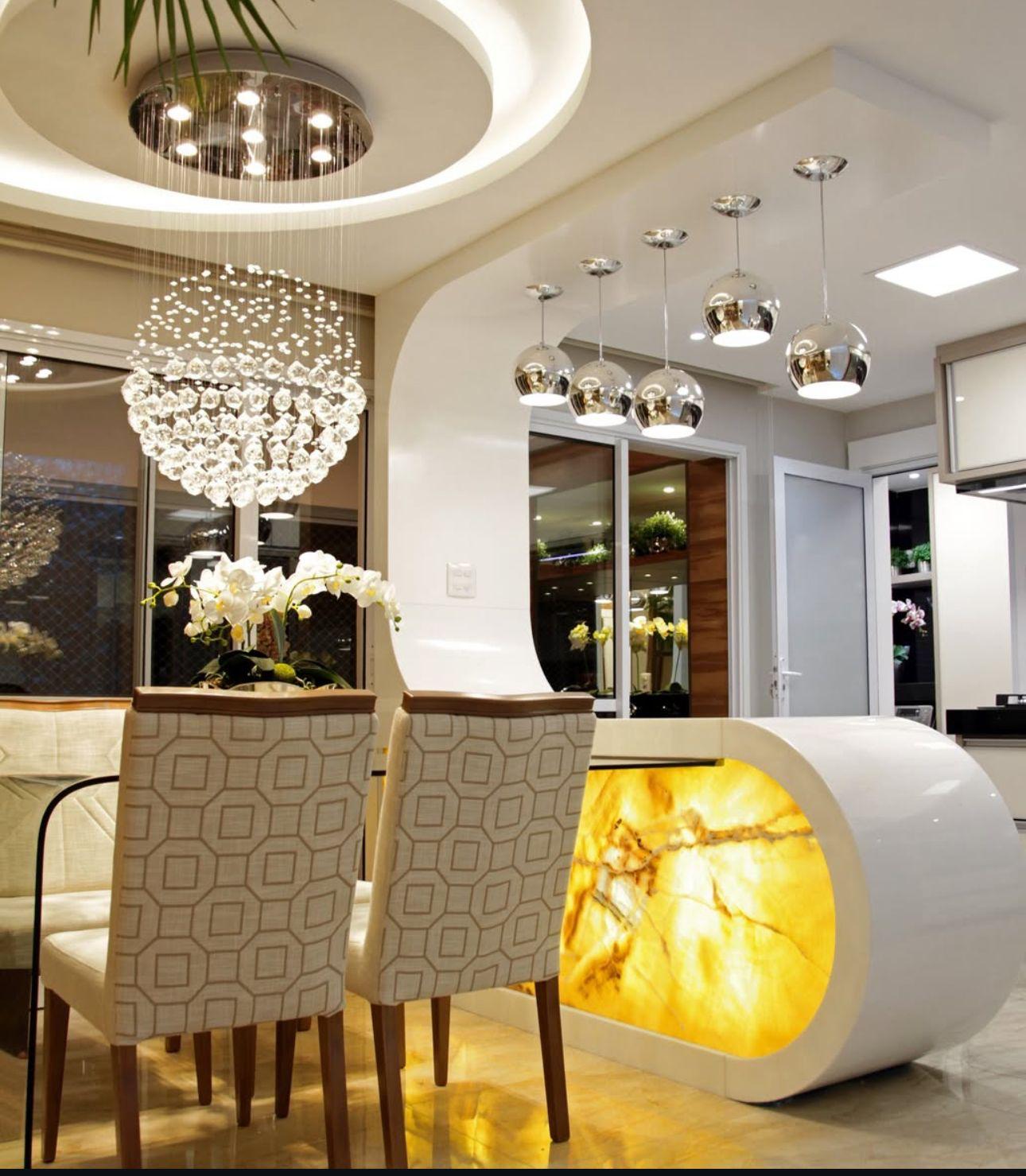
Quartz excels in bar applications due to its stain resistance and ability to handle alcohol spills without etching or discoloration. The material’s consistency allows for dramatic waterfall edges and seamless integration with bar sinks and appliances.
Granite provides excellent durability for bar applications and can handle hot serving dishes without damage. However, wine and cocktail spills require prompt cleanup to prevent staining, particularly with lighter granite colors.
Marble can create stunning bar surfaces but requires careful consideration of usage patterns. Wine, citrus, and other acidic substances common in bar environments can quickly damage marble surfaces, limiting their practical application in high-use entertainment areas.
Outdoor Kitchen Applications
Outdoor kitchens present the most challenging environment for any countertop material, requiring resistance to weather, UV exposure, and temperature extremes while maintaining appearance and functionality.
Granite generally performs well in outdoor applications due to its natural formation under extreme conditions. However, some granite varieties may fade under intense UV exposure, and thermal cycling can occasionally cause cracking in susceptible slabs.
Porcelain slabs designed for outdoor use often provide better performance than traditional kitchen countertop materials in exterior applications. These engineered surfaces offer superior weather resistance while maintaining the appearance of natural stone.
Quartz is generally not recommended for outdoor applications due to UV sensitivity that can cause discoloration and potential damage to the resin binders. Marble faces similar challenges with outdoor exposure, making it unsuitable for exterior applications.
Cost Considerations Across Applications
The granite vs quartz vs marble countertops cost comparison varies significantly based on application, room size, and complexity of installation. Kitchen applications typically represent the highest investment due to size and complexity, while smaller bathroom projects may prioritize premium materials within reasonable budgets.
Granite costs vary widely based on rarity and origin, with exotic varieties commanding premium prices. Standard granite options often provide excellent value for large kitchen installations. Quartz pricing remains more consistent due to its manufactured nature, with costs primarily driven by brand and design complexity.
Marble represents the highest investment in most applications, with premium varieties like Calacatta commanding significant premiums. However, the timeless beauty and luxury appeal of marble can justify the investment in appropriate applications.
Making the Right Choice for Each Room
Successful material selection requires matching each room’s specific requirements with the appropriate material’s strengths. Kitchens benefit from quartz’s practicality or granite’s heat resistance, while bathrooms can accommodate marble’s beauty with proper care and maintenance.
Consider your lifestyle, maintenance preferences, and long-term goals when evaluating kitchen countertop materials for each application. A busy family kitchen might prioritize quartz’s low maintenance, while a formal powder room could showcase marble’s elegance.
The best homes often incorporate multiple materials strategically, using each where it performs best while creating cohesive design themes throughout the space.
Ready to explore the perfect countertop material for each room in your home? Contact us to discuss how granite, quartz, and marble can be strategically used throughout your space to maximize both beauty and functionality while meeting your specific needs and lifestyle requirements.