





How to Care for Your Countertops: Quartz, Granite, and Marble Maintenance Tips
Proper care of your countertops ensures they retain their beauty and functionality for decades while protecting your significant investment. Each material requires specific care approaches, making it essential to understand the unique maintenance requirements of quartz, granite, and marble surfaces.
How To Care for Your Countertops? Quartz, Granite, and Marble Maintenance Tips
This comprehensive guide provides proven quartz care tips, granite maintenance strategies, and marble cleaning guide techniques that preserve your countertops’ appearance and extend their lifespan.









Understanding Your Countertop Material
Before diving into specific care instructions, it’s crucial to understand the fundamental differences between these three popular countertop materials. Each has unique properties that influence how they should be cleaned, maintained, and protected throughout their service life.
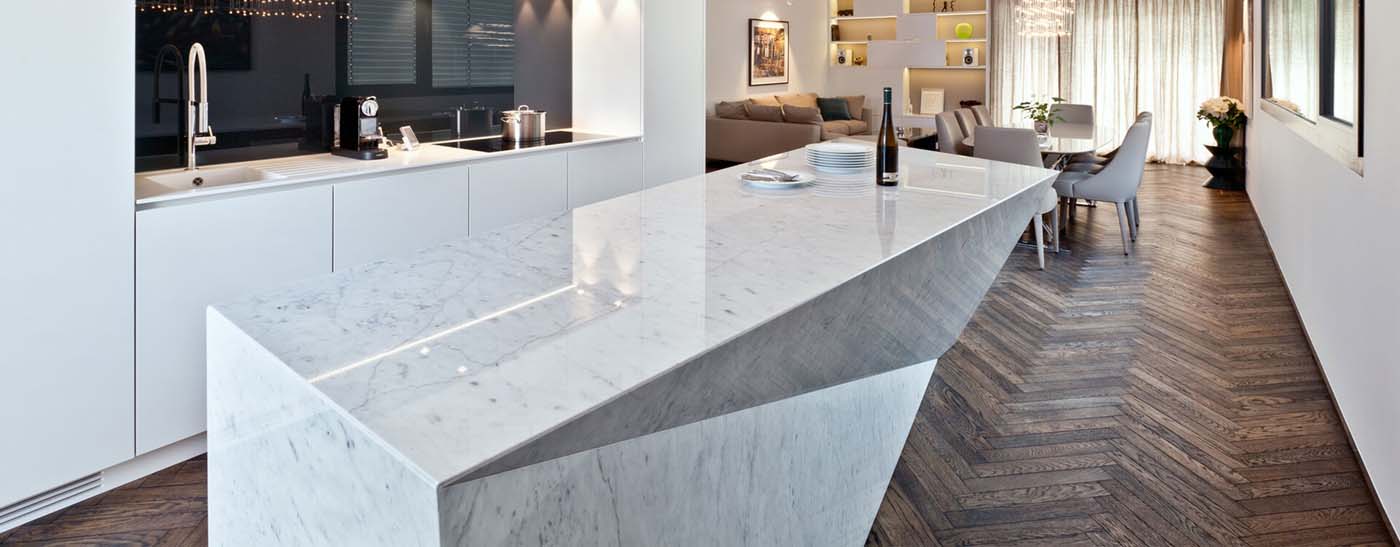
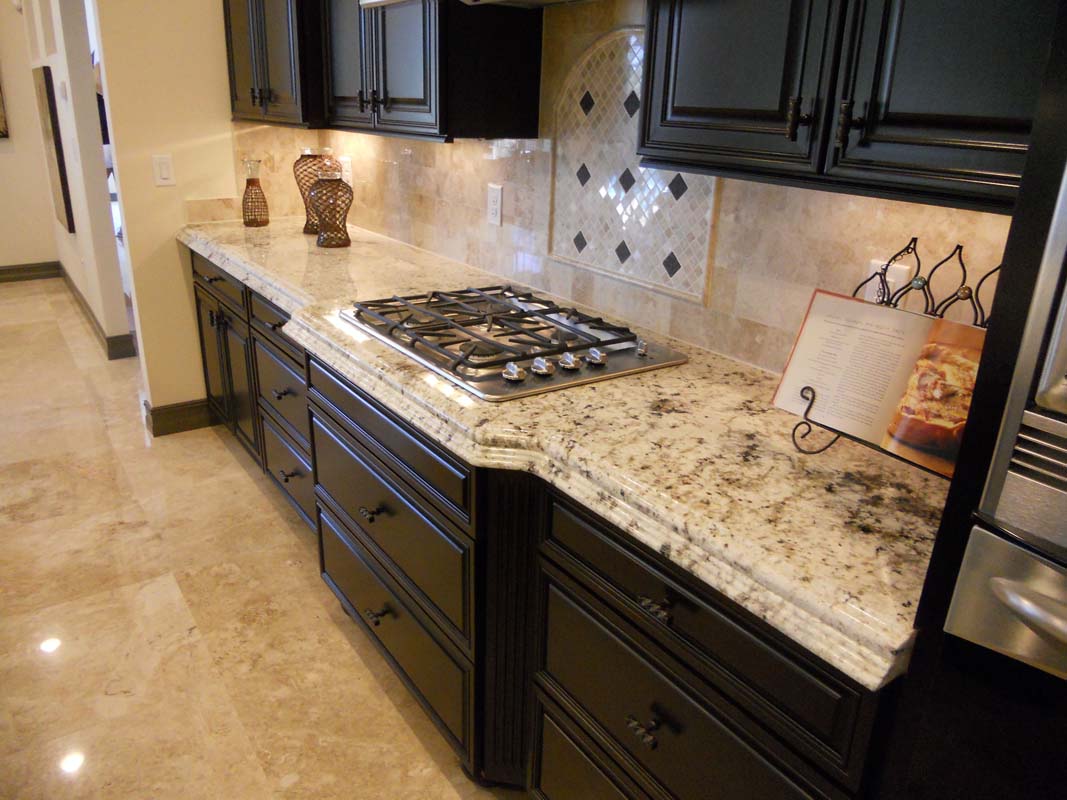
Quartz surfaces are engineered materials combining natural quartz crystals with polymer resins, creating non-porous surfaces that resist staining and bacterial growth. Granite is a natural igneous rock with inherent porosity that requires sealing for optimal protection. Marble, a metamorphic limestone, offers unparalleled beauty but requires the most careful maintenance due to its sensitivity to acids and relatively soft composition.
Understanding these fundamental differences helps explain why each material requires distinct care approaches and why following material-specific guidelines is essential for long-term satisfaction with your investment.
Daily Care Practices for All Countertop Materials
Regardless of your specific countertop material, certain daily care practices benefit all stone surfaces and help prevent common problems that can develop over time with neglect or improper care.
Use cutting boards for all food preparation to prevent scratches and blade damage to your countertops. While natural stones are generally scratch-resistant, knives can still cause surface damage that accumulates over time and detracts from appearance.
Clean spills immediately to prevent staining or etching, particularly with acidic substances like citrus juices, wine, or coffee. Even materials that are generally stain-resistant can be damaged by prolonged exposure to certain substances.
Use trivets or hot pads under hot cookware to prevent thermal damage. While most countertop materials can handle brief contact with hot items, prolonged exposure can cause cracking, discoloration, or other permanent damage.
Quartz Care Tips: Maintaining Engineered Stone Surfaces
Engineered quartz surfaces offer exceptional durability and low maintenance requirements, making them popular choices for busy households. However, proper care ensures they maintain their appearance and performance characteristics throughout their service life.
Daily Cleaning Routine for Quartz
Daily quartz care tips include wiping surfaces with warm water and mild dish soap using a soft cloth or non-abrasive sponge. This simple routine removes everyday dirt, grease, and food residues without damaging the surface or leaving streaks.
Avoid abrasive cleaning pads or harsh chemicals that can dull the surface finish over time. Steel wool, scouring powders, and bleach-based cleaners can damage quartz surfaces despite their reputation for durability.
For stubborn stains or dried-on food, allow warm soapy water to sit on the surface for a few minutes before gently scrubbing with a soft brush or cloth. This approach removes most stains without aggressive scrubbing that could damage the surface.
Weekly Deep Cleaning for Quartz
Weekly deep cleaning maintains quartz surfaces in optimal condition while addressing buildup that daily cleaning might miss. Use a pH-neutral stone cleaner specifically formulated for engineered surfaces, or create a cleaning solution using warm water and a small amount of mild dish soap.
Pay special attention to areas around sinks, cooktops, and food preparation zones where grease and residue tend to accumulate. Use a microfiber cloth for final drying to prevent water spots and streaking.
Protecting Quartz from Heat Damage
While quartz surfaces are heat-resistant, they’re not heat-proof. Prolonged exposure to high temperatures can cause discoloration, cracking, or other permanent damage. Always use trivets or hot pads under cookware removed directly from stoves or ovens.
Electric skillets, slow cookers, and other appliances that generate sustained heat should always be used with protective pads to prevent damage to your quartz surfaces.
Stain Removal for Quartz Surfaces
Most stains on quartz surfaces can be removed with gentle cleaning techniques. For persistent stains, create a paste using baking soda and water, apply to the stained area, and allow it to sit for several hours before gently scrubbing with a soft brush.
For grease stains, degreasing agents specifically designed for stone surfaces can be effective. Always test cleaning products in an inconspicuous area before applying them to visible surfaces.
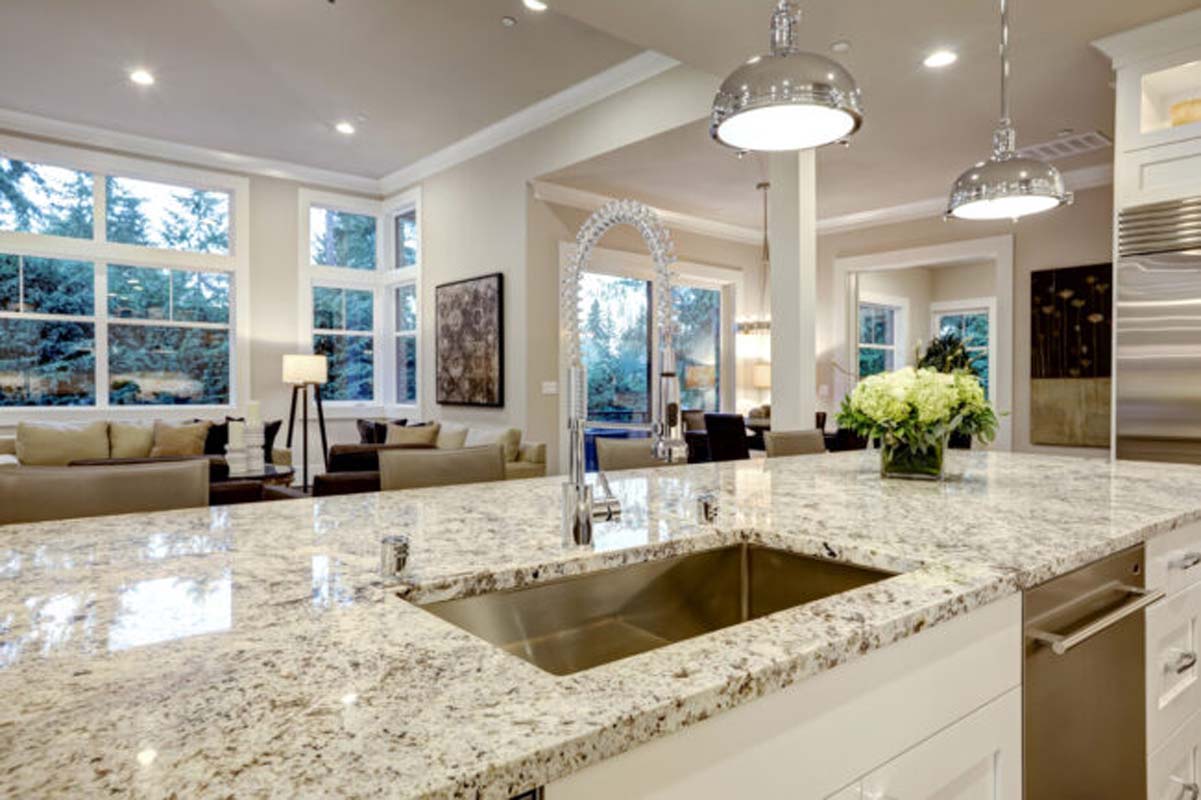
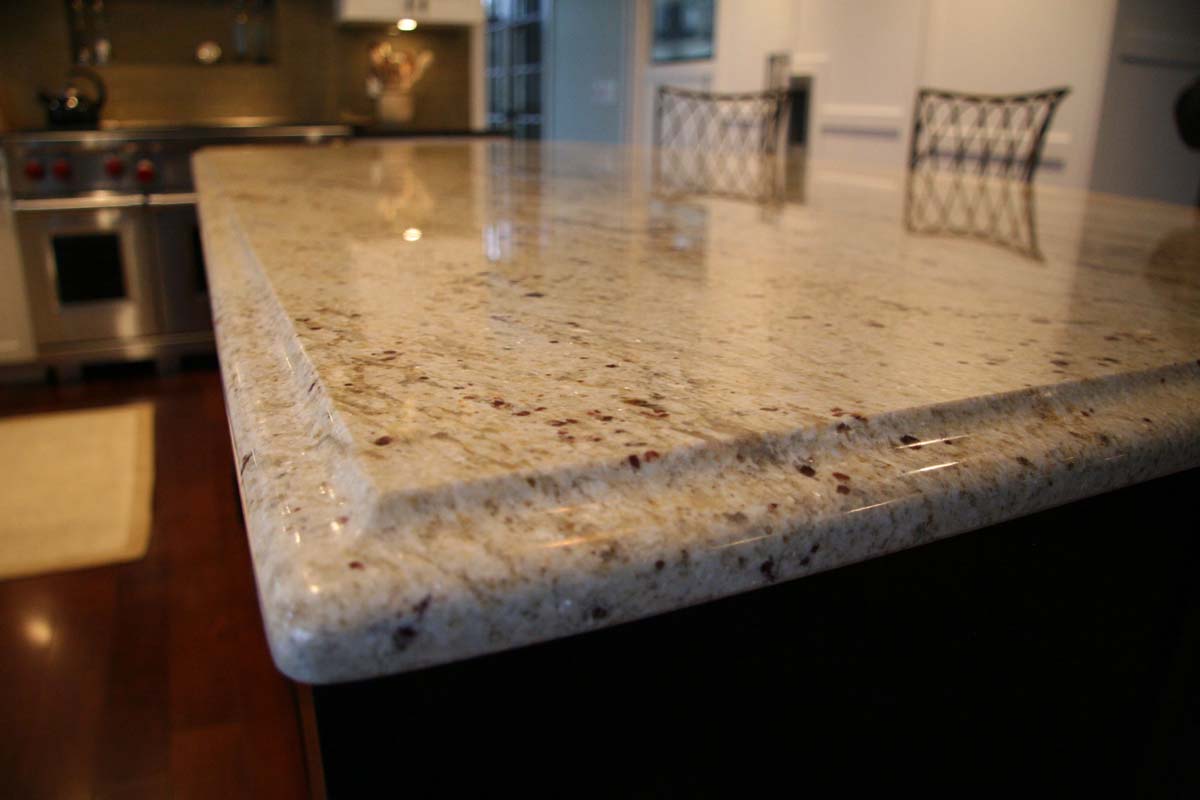
Granite Maintenance: Caring for Natural Stone Beauty
Granite maintenance requires more attention than quartz care due to granite’s natural porosity and potential for staining. However, proper care keeps granite countertops looking beautiful while providing decades of reliable service.
Understanding Granite Sealing Requirements
The foundation of effective granite maintenance is proper sealing. Most granite surfaces require sealing every 1-2 years to maintain optimal stain resistance, though the frequency depends on the specific granite variety and usage patterns.
Test your granite’s sealing condition by placing a few drops of water on the surface. If the water beads up and remains on the surface, your sealing is adequate. If water absorbs into the stone within a few minutes, resealing is needed.
Professional-grade sealers provide the best protection and longevity, though quality consumer products can be effective when applied properly. Follow manufacturer instructions carefully for optimal results.
Daily Granite Cleaning Routine
Daily granite maintenance involves wiping surfaces with warm water and pH-neutral stone cleaner or mild dish soap. Avoid acidic cleaners like vinegar or lemon-based products that can etch granite surfaces over time.
Use microfiber cloths or soft sponges for cleaning, avoiding abrasive pads that can scratch the surface. Dry surfaces thoroughly after cleaning to prevent water spots and mineral buildup.
Weekly Granite Maintenance Tasks
Weekly granite maintenance includes thorough cleaning with stone-specific cleaners that remove built-up residues while conditioning the surface. Pay special attention to areas around sinks and cooktops where grease and soap residue accumulate.
Polish granite surfaces monthly using products specifically designed for natural stone. This process enhances the stone’s natural luster while providing additional protection against staining and wear.
Removing Stains from Granite
Stain removal from granite depends on the type of stain and how long it has been present. Oil-based stains can often be removed using a poultice made from baking soda and acetone, applied to the stain and covered with plastic wrap for 24 hours.
Water-based stains may respond to poultices made with baking soda and water. For persistent stains, professional restoration may be necessary to avoid damage to the stone.
Marble Cleaning Guide: Preserving Natural Elegance
Marble requires the most careful maintenance of the three materials due to its sensitivity to acids and relatively soft composition. However, proper care maintains marble’s unparalleled beauty and ensures long-term satisfaction with your investment.
Understanding Marble’s Sensitivity
The key to effective marble care lies in understanding its sensitivity to acidic substances. Common household items like citrus fruits, wine, coffee, and even some cleaning products can cause permanent etching that appears as dull spots on polished surfaces.
This marble cleaning guide emphasizes prevention as the most effective maintenance strategy. Immediate cleanup of spills and careful selection of cleaning products prevents most common marble problems.
Daily Marble Care Routine
Daily marble care requires gentle cleaning with pH-neutral stone cleaners or mild soap and water. Never use generic household cleaners, vinegar, or lemon-based products on marble surfaces, as these can cause immediate and permanent damage.
Wipe surfaces dry immediately after cleaning to prevent water spots and mineral buildup. Use soft cloths or chamois for drying to avoid scratching the polished surface.
Weekly Marble Maintenance
Weekly marble maintenance includes thorough cleaning with stone-specific products followed by careful drying and inspection for any signs of etching or staining that require immediate attention.
Apply marble polish monthly to maintain the stone’s luster and provide additional protection. Use only products specifically formulated for marble to avoid damage.
Marble Stain and Etch Removal
Fresh stains on marble should be addressed immediately with gentle blotting (never rubbing) to remove as much of the staining substance as possible. For set stains, poultices specific to the stain type may be effective.
Etching from acidic substances requires professional restoration in most cases. While minor etching can sometimes be addressed with marble polishing compounds, significant damage needs professional attention to restore the surface properly.
Sealing Marble Surfaces
Most marble surfaces benefit from sealing every 6-12 months, depending on usage and the specific marble variety. Sealing helps prevent staining but doesn’t protect against etching from acidic substances.
Choose sealers specifically formulated for marble and follow application instructions carefully. Test sealers in inconspicuous areas before full application to ensure desired results.
Common Mistakes to Avoid
Regardless of your countertop material, certain common mistakes can cause permanent damage that requires expensive repairs or replacement. Avoid using generic household cleaners, abrasive cleaning pads, or acidic substances on any natural stone surface.
Never use granite cleaners on marble or marble cleaners on granite, as formulations designed for one material may damage another. Always verify that cleaning products are appropriate for your specific countertop material.
Avoid placing hot items directly on any countertop surface, even those marketed as heat-resistant. Thermal shock can cause cracking or discoloration in any material.
Professional Maintenance Services
While daily and weekly maintenance can handle most care requirements, professional maintenance services can address issues beyond typical homeowner capabilities. Professional cleaning, sealing, and restoration services help maintain optimal appearance and performance.
Consider annual professional evaluation of your countertops to identify potential issues before they become serious problems. Professional technicians can assess sealing condition, identify early signs of damage, and recommend appropriate maintenance adjustments.
FAQs
How often should I seal my granite countertops?
Most granite surfaces require sealing every 12-18 months, though frequency depends on the specific granite variety and usage patterns. Test water absorption annually to determine sealing needs, and reseal when water no longer beads on the surface.
Can I use Windex on my quartz countertops?
While Windex won’t immediately damage quartz surfaces, regular use of ammonia-based cleaners can gradually dull the surface finish. Stick to pH-neutral cleaners specifically designed for stone surfaces for optimal long-term results.
What should I do if I accidentally spill wine on my marble countertops?
Immediately blot (don’t wipe) the spill with a clean, dry cloth to absorb as much wine as possible. Clean the area with mild soap and water, then dry thoroughly. If staining occurs, contact a professional stone restoration specialist promptly.
Are there any cleaning products I should never use on natural stone?
Avoid vinegar, lemon juice, bleach, ammonia-based cleaners, and generic household cleaners on all natural stone surfaces. These products can cause etching, discoloration, or other permanent damage that requires professional restoration.
How can I remove water spots from my countertops?
For quartz and granite, mild dish soap and water followed by thorough drying usually removes water spots. For marble, use only pH-neutral stone cleaners and dry immediately. Persistent water spots may indicate sealing issues that require professional attention.
Can I cut directly on my countertops?
Never cut directly on any countertop surface, as this can cause scratches and damage to both the surface and your knives. Always use cutting boards to protect both your countertops and kitchen tools.
What’s the best way to remove grease stains from countertops?
For quartz and sealed granite, degreasing agents designed for stone surfaces work well. Create a paste with baking soda and dish soap for stubborn grease stains. For marble, use only pH-neutral degreasers and test in an inconspicuous area first.
Ready to keep your countertops looking their best? Contact us for professional maintenance services, sealing, or restoration that ensures your countertops maintain their beauty and functionality for years to come. Our expertise helps you protect your investment while enjoying the full benefits of your beautiful stone surfaces.