

The Complete Guide to Choosing the Right Countertop for Florida’s Climate | Countertops For Florida Climate
Florida’s unique subtropical climate presents distinct challenges for homeowners selecting countertop materials. From intense summer heat and high humidity to sudden temperature changes and hurricane-force conditions, the best countertops for Florida must withstand environmental stresses that homeowners in other regions rarely encounter.
The Right Countertops For Florida Climate
Understanding how different materials perform in the Sunshine State’s demanding conditions is essential for making an informed investment in your home.




Understanding Florida’s Climate Challenges
Florida’s climate creates a perfect storm of conditions that can affect countertop performance. Year-round high humidity levels, often exceeding 70%, can cause moisture-related issues in porous materials. Summer temperatures regularly soar above 90°F, while air conditioning creates dramatic indoor-outdoor temperature differentials that can stress countertop materials through thermal expansion and contraction.
The state’s intense UV radiation, combined with large windows and glass doors common in Florida homes, means countertops face prolonged sun exposure that can cause fading, warping, or other damage in susceptible materials. Additionally, Florida’s hurricane season brings the possibility of extreme weather conditions that demand exceptional durability from home materials.
Heat-Resistant Countertops: Your First Line of Defense
When evaluating heat-resistant countertops for Florida homes, several materials stand out for their ability to handle the state’s challenging thermal conditions. The key is understanding not just peak heat tolerance, but how materials respond to constant temperature fluctuations and prolonged heat exposure.
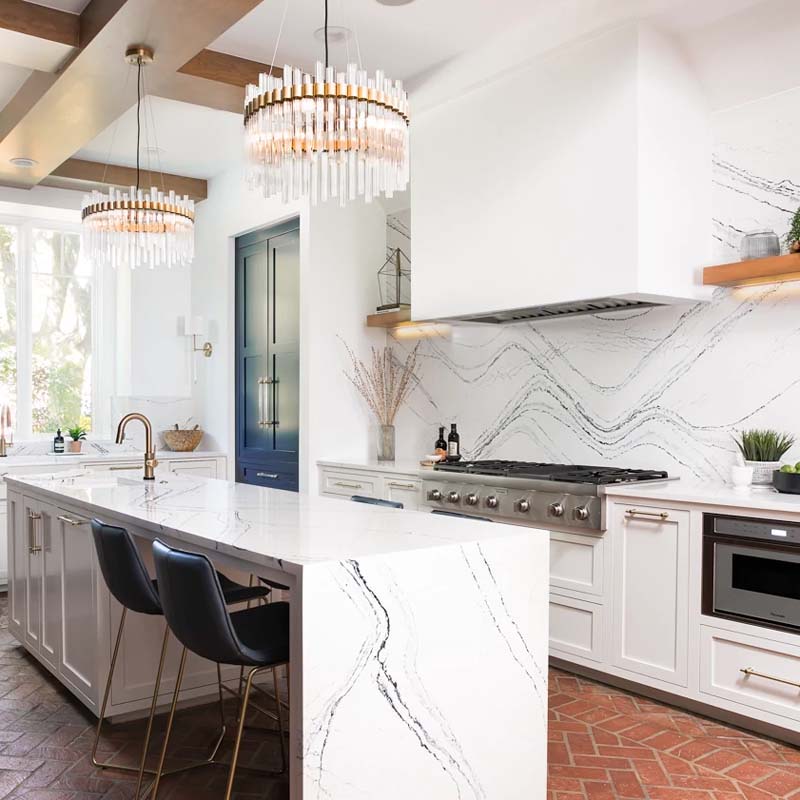
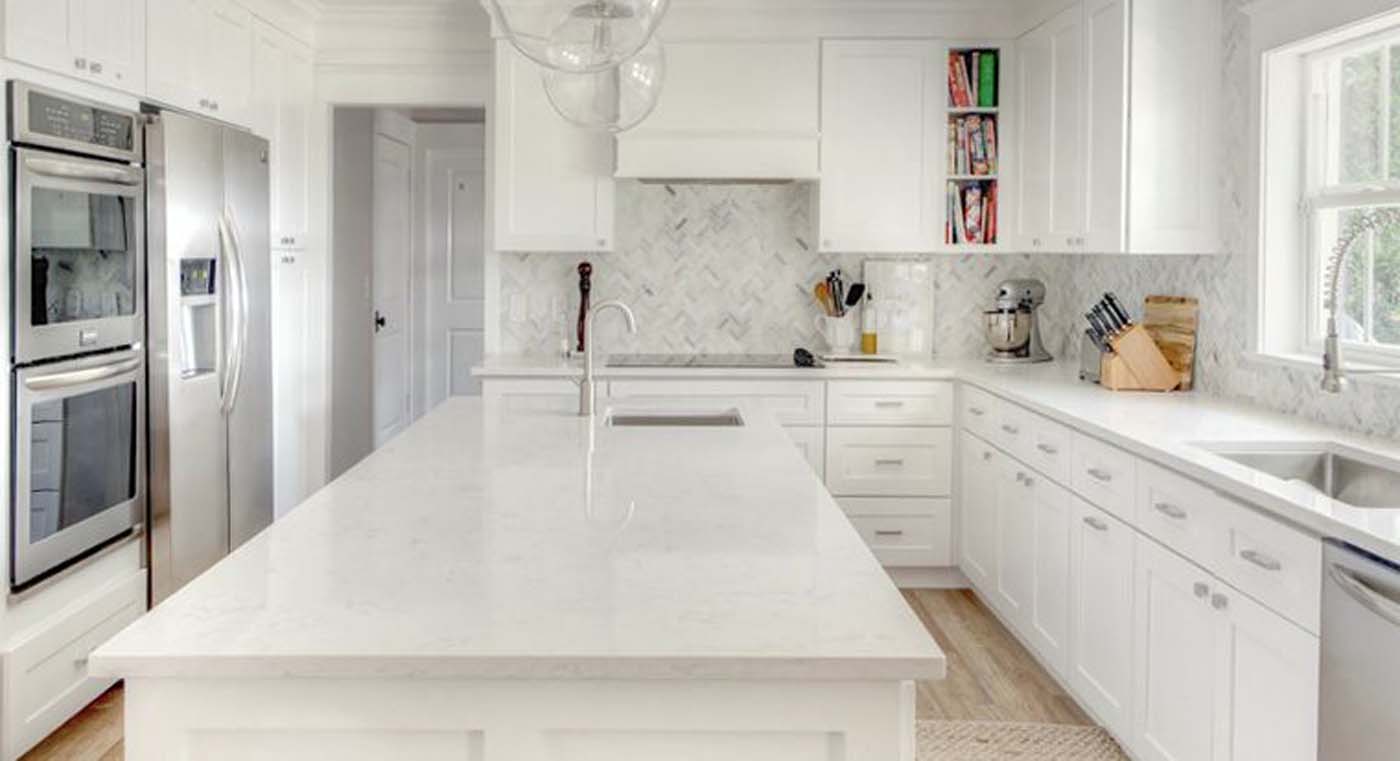
Quartz engineered stone leads the category for heat resistance while maintaining practical benefits. Most quartz surfaces can handle brief contact with hot cookware up to 300°F without damage, making them ideal for Florida kitchens where outdoor grilling and indoor cooking often happen simultaneously. The engineered nature of quartz also means it won’t crack or split due to thermal stress like some natural stones might.
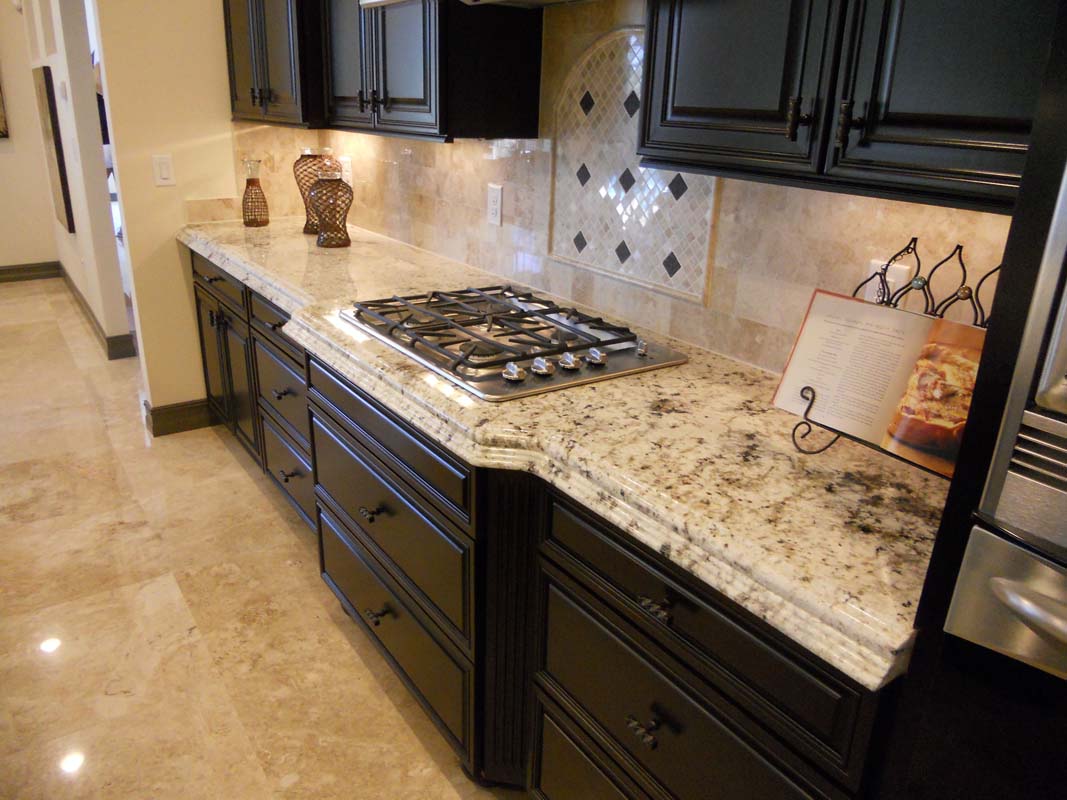
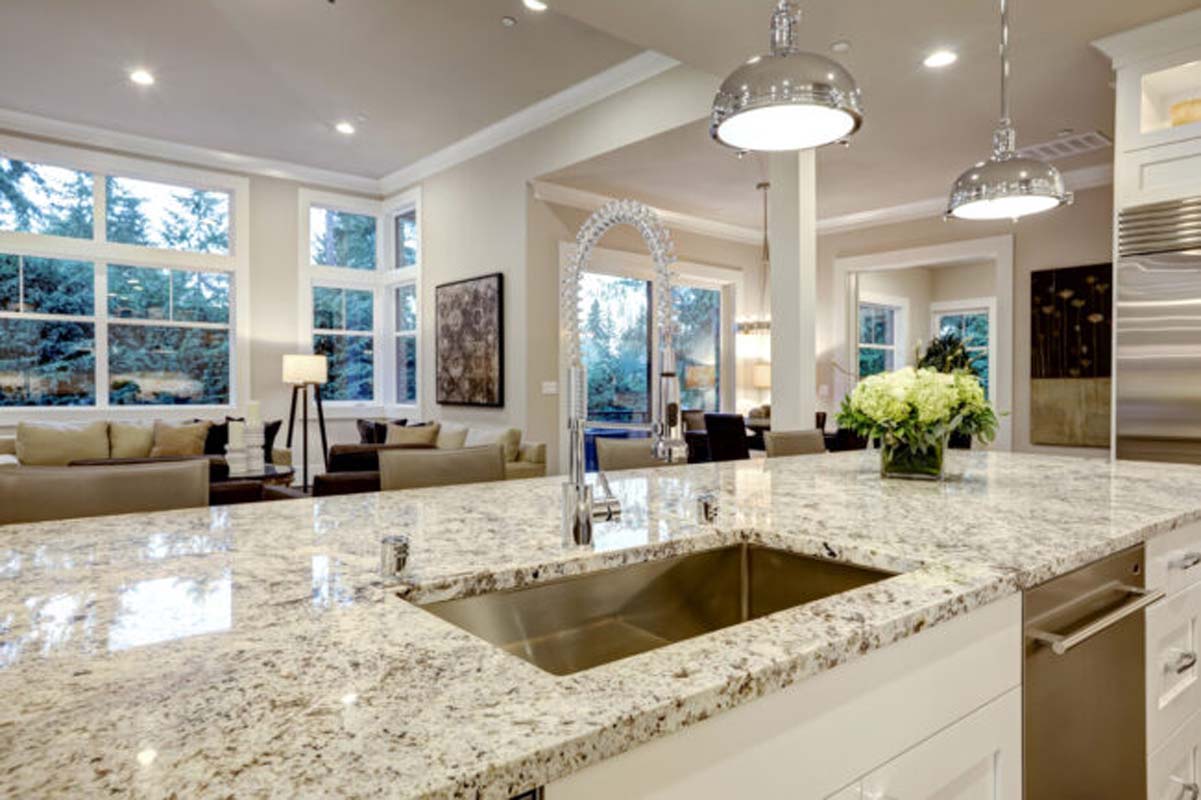
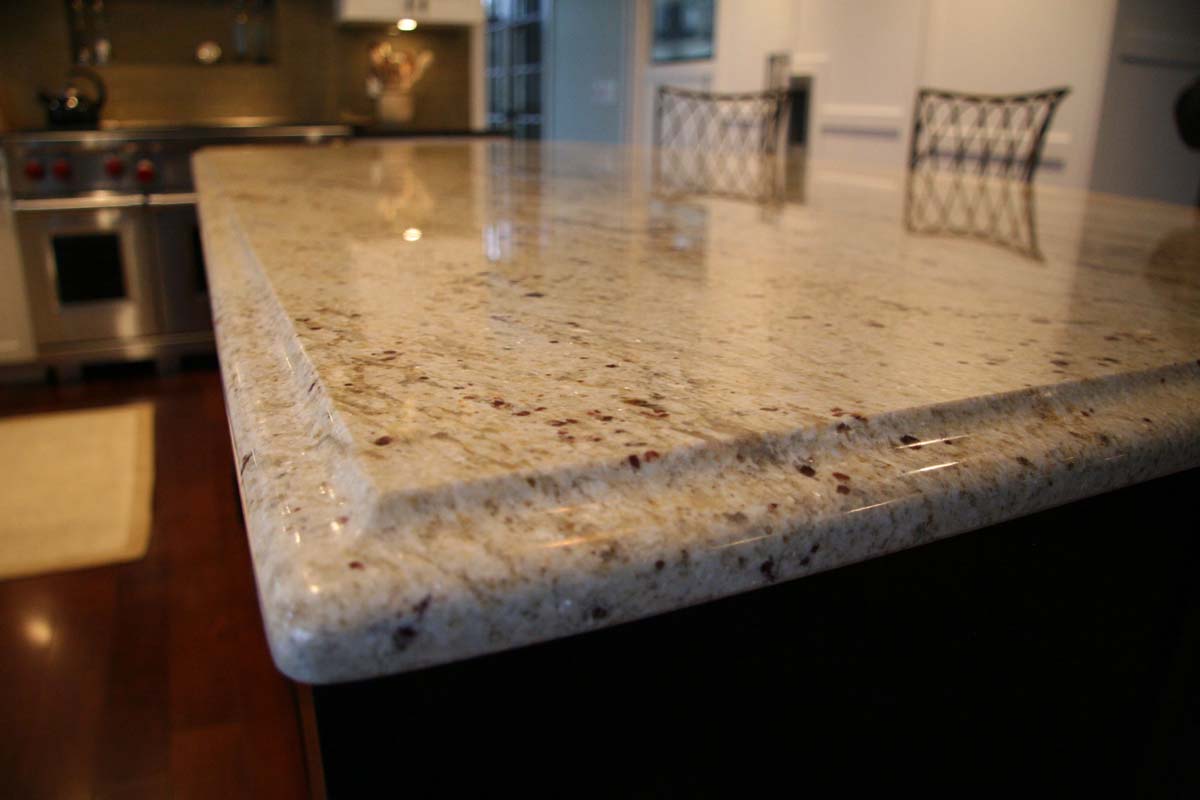
Natural granite offers excellent heat resistance, often handling temperatures up to 1,200°F without immediate damage. However, in Florida’s climate, granite’s porosity can become problematic when combined with heat exposure, as thermal expansion can worsen existing micro-cracks and create maintenance challenges.
Concrete countertops, when properly sealed, provide outstanding heat resistance and can be customized to handle Florida’s specific climate challenges. The thermal mass of concrete actually helps moderate temperature swings, making it an intelligent choice for Florida homes.
Humidity and Moisture Resistance
High humidity is perhaps the most underestimated challenge facing Florida countertops. The best countertops for Florida must resist moisture penetration while maintaining their structural integrity and appearance in consistently humid conditions.
Non-porous materials excel in Florida’s humid environment. Quartz surfaces, solid surface materials like Corian, and properly sealed concrete all resist moisture absorption that can lead to bacterial growth, staining, and structural damage over time.
Natural stones like marble and limestone, while beautiful, can struggle in Florida’s humidity unless meticulously maintained. The porous nature of these materials means they can absorb moisture from the air, potentially leading to discoloration, efflorescence, and even structural weakening over time.
Butcher block and other wood surfaces face particular challenges in Florida, where high humidity can cause warping, splitting, and accelerated wear. When wood countertops are chosen, they require exceptional sealing and maintenance protocols to survive Florida conditions.
UV Resistance and Color Stability
Florida’s intense sunlight can cause significant fading and degradation in certain countertop materials. Heat-resistant countertops must also demonstrate excellent UV stability to maintain their appearance over time.
Engineered quartz surfaces typically include UV-stable resins and pigments that resist fading even under Florida’s intense sun exposure. This stability is particularly important in homes with large windows or outdoor kitchen applications where direct sunlight is unavoidable.
Natural stones vary significantly in their UV resistance. Darker granites typically maintain their color better than lighter stones, while certain marbles can develop uneven coloration when exposed to prolonged sunlight. Understanding these characteristics is crucial when selecting materials for sun-exposed areas.
Solid surface materials generally offer good UV resistance, though some colors may be more susceptible to change than others. The ability to sand and refinish these surfaces makes them forgiving choices for Florida applications where UV damage might occur over time.
Thermal Expansion and Contraction
Florida’s dramatic temperature swings, from air-conditioned interiors to blazing outdoor heat, create challenging thermal cycling conditions. The best countertops for Florida must handle these temperature changes without cracking, separating, or developing other structural issues.
Materials with low thermal expansion coefficients perform best in Florida conditions. Quartz and granite both have relatively low expansion rates, making them stable choices for applications where temperature swings are common.
Proper installation becomes crucial in Florida’s climate. Expansion joints, flexible adhesives, and appropriate support structures help accommodate thermal movement and prevent damage during temperature extremes.
Laminate countertops can struggle with thermal expansion in Florida, particularly at seams and edges where movement is most apparent. While budget-friendly, these materials may require more frequent maintenance or replacement in challenging Florida conditions.
Hurricane and Storm Resistance
Florida’s hurricane season adds another dimension to countertop selection. Materials must withstand not just normal climate stresses, but also the extreme conditions associated with severe weather events.
Solid, heavy materials like granite and quartz provide excellent storm resistance due to their mass and structural integrity. These materials are less likely to be damaged by flying debris or structural movement during severe weather.
Proper installation becomes even more critical for storm resistance. Countertops must be securely fastened to resist uplift forces and lateral movement that can occur during extreme weather events.
Maintenance Considerations in Florida’s Climate
The best countertops for Florida must not only withstand the climate but also remain manageable to maintain despite challenging environmental conditions. High humidity can accelerate the growth of mold and bacteria, making surface hygiene particularly important.
Non-porous surfaces like quartz require minimal maintenance while providing excellent hygiene characteristics. Simple cleaning with mild detergents is sufficient to maintain both appearance and sanitary conditions.
Natural stones may require more frequent sealing in Florida’s humid conditions to maintain their protective barriers. The frequency of required maintenance should factor into material selection decisions.
Materials that can be professionally refinished, like solid surfaces and concrete, offer long-term value in Florida’s challenging environment by allowing restoration rather than replacement when wear occurs.
Indoor-Outdoor Integration
Florida’s lifestyle often blurs the lines between indoor and outdoor living spaces. Heat-resistant countertops selected for Florida homes should perform well in both environments, handling exposure to rain, sun, and temperature extremes.
Porcelain slabs designed for outdoor use offer exceptional weather resistance while maintaining the appearance of natural stone. These materials can seamlessly transition from indoor kitchens to outdoor cooking areas.
Stainless steel provides excellent performance in both indoor and outdoor applications, though it may show water spots more readily in areas with hard water, common in many Florida regions.
Regional Variations Within Florida
Different regions of Florida present unique challenges that may influence countertop selection. Coastal areas face salt air exposure that can affect certain materials differently than inland locations. Northern Florida’s slightly cooler winters create different thermal cycling patterns than the consistently warm southern regions.
Homes near the coast should consider materials with enhanced corrosion resistance, while inland properties might prioritize heat resistance and UV stability above salt air concerns.
Making the Final Decision
Selecting the best countertops for Florida requires balancing multiple factors including climate resistance, maintenance requirements, aesthetic preferences, and budget considerations. Heat-resistant countertops that also offer moisture resistance, UV stability, and storm durability provide the best long-term value for Florida homeowners.
The investment in climate-appropriate countertop materials pays dividends through reduced maintenance, longer lifespan, and maintained appearance despite Florida’s challenging conditions. Working with experienced professionals who understand Florida’s unique requirements ensures proper material selection and installation for optimal performance.
Future Considerations
As climate patterns continue to evolve, the importance of selecting resilient countertop materials becomes even more critical. Advanced engineered materials continue to improve their performance characteristics, offering Florida homeowners increasingly sophisticated options for handling the state’s demanding climate conditions.
Ready to find the perfect climate-resistant countertops for your Florida home? Contact us to discuss how different materials perform in your specific location and usage requirements, ensuring you make the best choice for long-term satisfaction and performance.